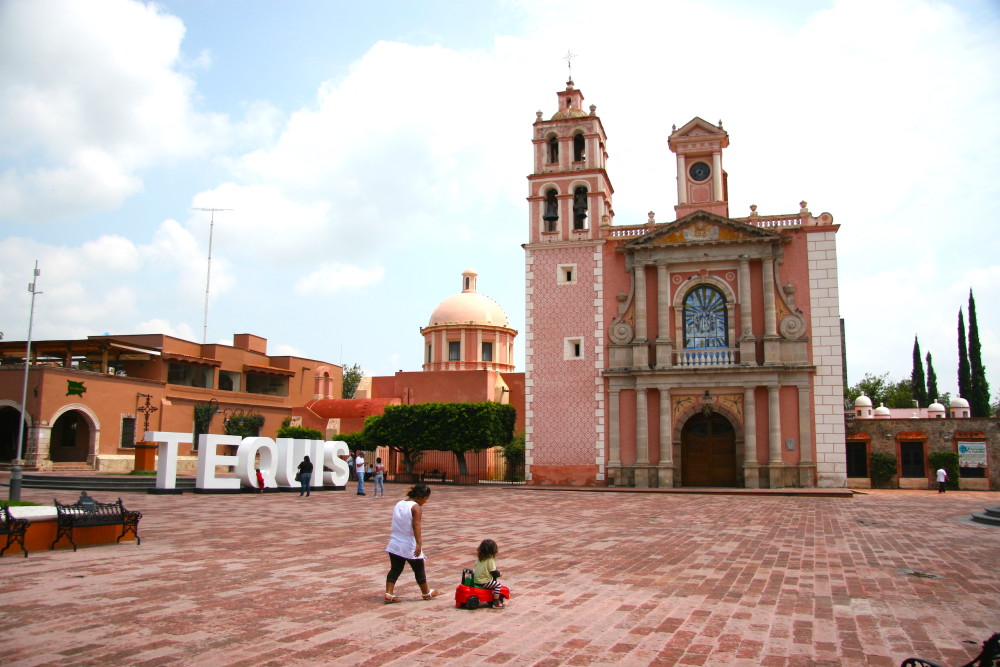
Tequisquiapan figura en la lista de los 83 Pueblos Mágicos que ofrece México como una alternativa turística para los visitantes nacionales y extranjeros. Estos pueblos o pequeñas ciudades fueron catalogados así porque ofrecen una “experiencia mágica” al visitante, debido a sus atributos históricos, culturales y artísticos.
The Colonial Charm of Tequisquiapan
When I hear the word “magical” I immediately imagine something that has the power to captivate my senses. So when I knew there was a program with a long list of “Magical Towns” in Mexico, I gave myself the task of visiting and getting to know these towns, one by one.
The town of Tequisquiapan, in the central state of Querétaro, has been listed as one of the Magical Towns since 2012 in the category of Colonial Treasures. It was the fourth magical town of Querétaro and the number 61 in the country.
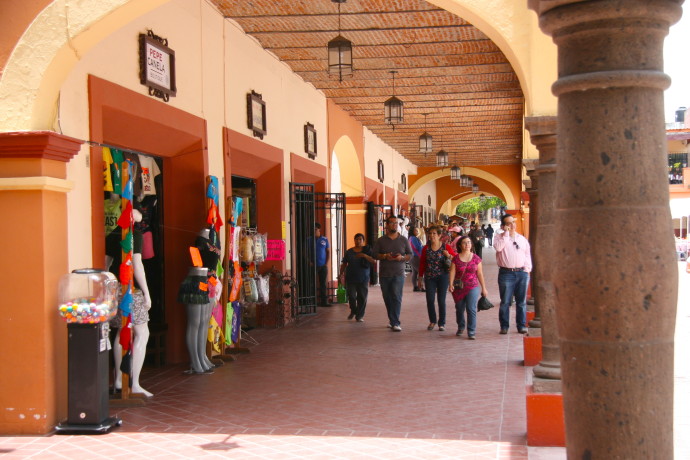
The cobbled streets of Tequisquiapan downtown with its traditional rustic houses featuring wrought iron accessories, balconies and wooden frame windows are the legacy of nearly 500 years of colonial history in a town originally inhabited by indigenous people.
The colonial architecture along with colorful and beautiful bougainvillea trees give this town a special charm for a weekend of rest. Visitors can choose from a wide range of hotels to suit all budgets. During my visit I stayed at the Cabanas Quinta Patricia a family-own hotel located in the heart of this town.
Centuries of History
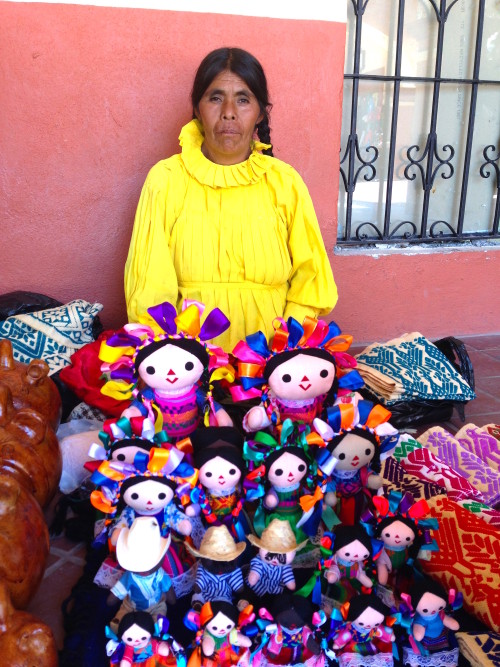 Around the Plaza Miguel Hidalgo, in the center of town, there are shops of silver, furniture and crafts. There are also galleries, cafes and restaurants of Mexican food and other nationalities. When I visited this town, I had breakfast at the restaurant La Charamuscaa tradicional and pleasant bakery and cafeteria with a good variety in the menu.
The parish of Santa María de la Asunción, the main temple of Tequisquiapan, located on one side of the plaza, has a neoclassical style and its pink façade will keep you fascinated. The clock tower dates back to 1897. On another side of the plaza there is also a stone and metal kiosk where live music is performed often.
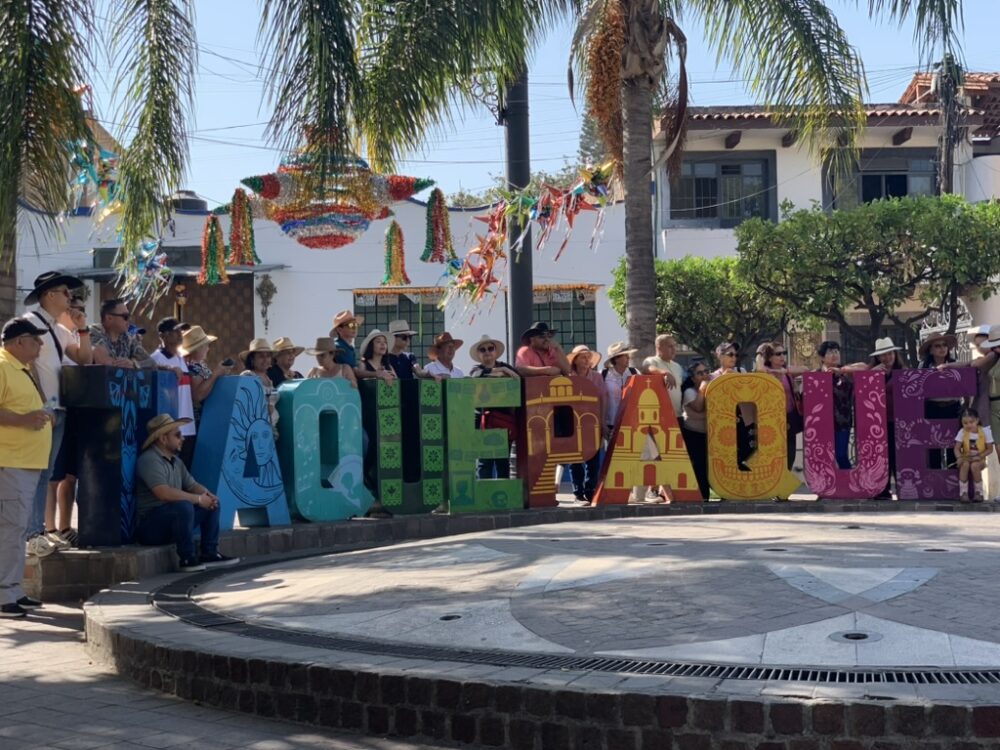
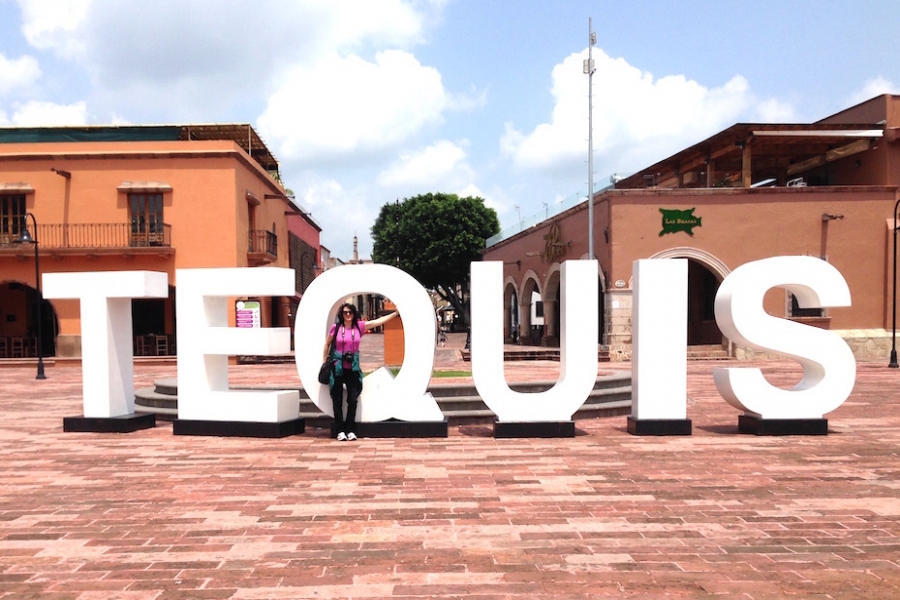
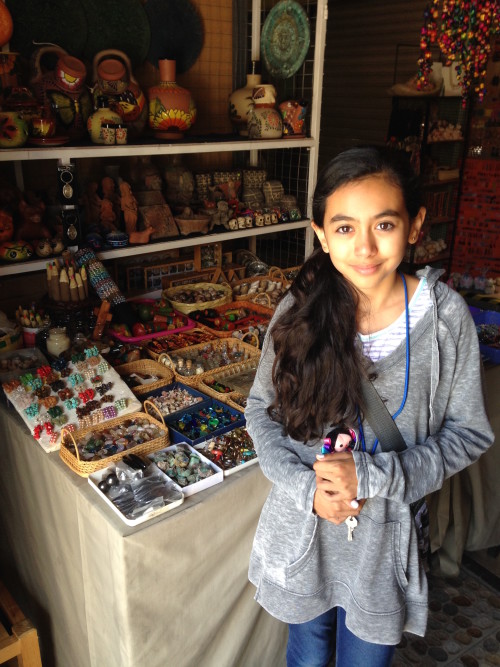
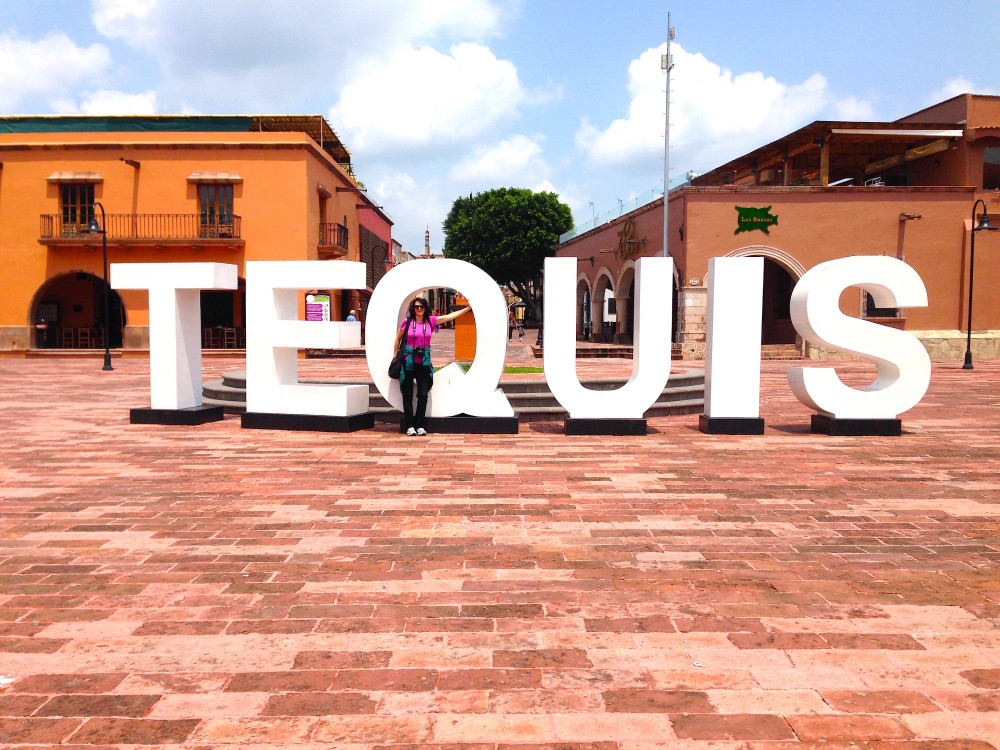
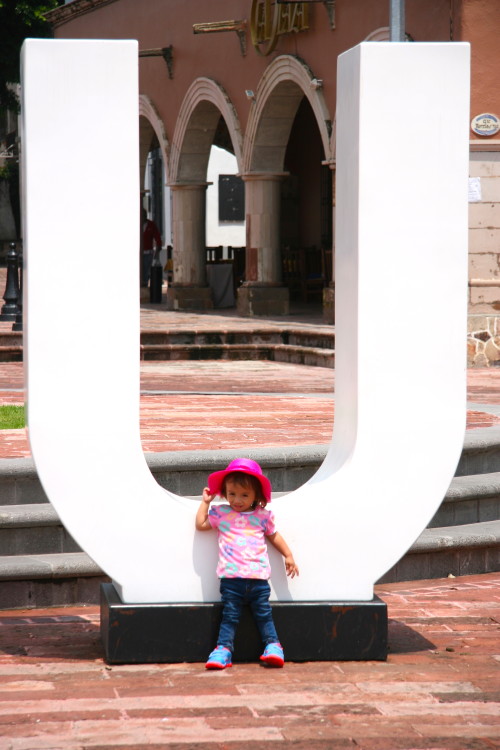
Tequisquiapan, founded in 1551, also has a handcrafts market specializing in basketry, embroidered fabrics, wood, leather and opal. Large letters on the main plaza forming the word “Tequis” (as the town is known), are a perfect frame for taking pictures.
Route of Wine and Cheese
 Every year Tequisquiapan hosts the National Fair of Cheese and Wine. The fair began in the 1980s as a means to promote wine and cheese produced in the region. Grape production began in the 1960s, but its importance has been increasing since then. Querétaro is the second largest wine state of Mexico, after Baja California in the northwest.
The fair promotes around 1,200,000 million bottles of wine and 400,000 kilograms of cheese that the state produces each year. Most of the activities of the wine fair are held in the Park La Pila, near downtown, but there are also conferences, competitions, rodeos, concerts and other cultural events taking place during the last two weeks of May.
Hot Springs: The Key to Relaxation
Located only 112 miles northwest of Mexico City, Tequisquiapan serves primarily the demand of weekend visitors from Mexico City and Querétaro. These visitors come to see the church, walk the cobblestone streets and visit the golf course with 18 holes and the waterparks called “balnearios,” like Neptuno, El Oasis, La Vega and Termas del Rey.
The word Tequisquiapan (teh-kees-kee-ap-an) comes from the Nahuatl and means “place of water and tequesquite” (potassium nitrate, a natural type of salt used in pre-Hispanic times). This town is known for its hot springs, visited by those who wish to relieve muscle aches and the stress of everyday life.
This magical town also offers other types of entertainment such as horseback riding, hiking, camping, visits to opal mines as well as ballooning and ultra light aircraft.
The Magical Towns Keep Growing
 The program, which began in 2001, has added several Magical Towns annually to meet three main objectives. First: to strengthen the tourist attractions of these towns. Second: to promote festivals, traditions, handcrafts and cuisine of the place. Third: to generate tourist offers like adventure, extreme sports, ecotourism and sport fishing, among others.
El programa también busca reconocer la labor de los habitantes de los Pueblos Mágicos por su importante labor de resguardar la riqueza cultural e histórica de su propia ciudad.
The 83 Magical Towns fall into six broad categories according to their location: Heart of Mexico, Colonial Treasures, Jewels of the South, Pacific Coast, Northern Border, and Maya World.